


 By Guest - August 23, 2026
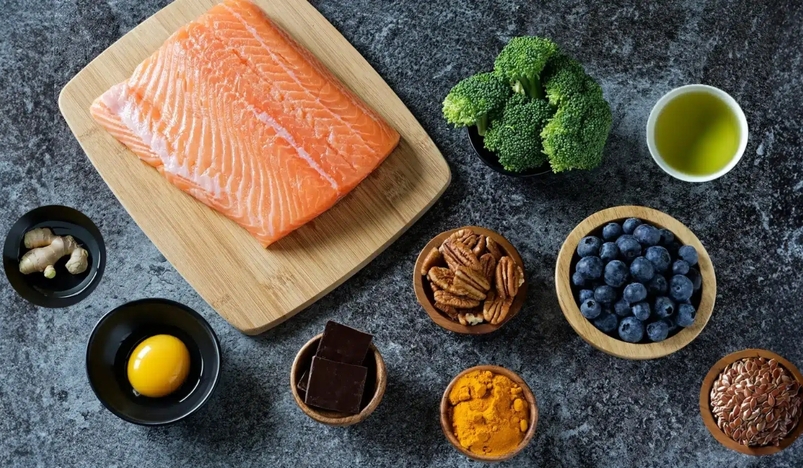
Certain foods and nutrients may help support a healthier stress response, but no single ingredient can switch off cortisol. Here are the dietary choices with the most useful human evidence.
Cortisol is often called the “stress hormone,” but it is not something the body should eliminate. Produced by the adrenal glands, cortisol helps regulate blood sugar, metabolism, inflammation, blood pressure and the body’s response to stress. Levels naturally rise and fall throughout the day. Problems can occur when stress becomes chronic or when cortisol regulation is disrupted.
Food is only one part of the picture. Sleep, physical activity, mental health, illness, medications and the timing of meals can all influence cortisol. Still, research suggests that some foods and nutrients may support a more balanced stress response when they are part of an overall healthy diet.
1. Fatty Fish
Salmon, sardines, mackerel, trout and other oily fish are rich in the omega-3 fats EPA and DHA. Human trials have linked omega-3 supplementation with lower morning cortisol or a reduced cortisol response to stress in some groups. That does not prove that one serving of fish will immediately lower cortisol, but it supports the case for including omega-3-rich foods regularly.
Try: salmon, sardines, mackerel, trout, herring or other oily fish a few times a week, depending on your dietary needs.
2. Vitamin C-Rich Foods
Vitamin C plays several roles in the body’s stress-response system. A clinical study in women with stress-related high cortisol found that vitamin C supplementation reduced elevated cortisol over two months. The study used a supplement rather than food, so it should not be interpreted as proof that oranges alone treat high cortisol. However, it gives a biological reason to prioritize vitamin C-rich foods as part of a nutrient-dense diet.
Good choices: oranges and other citrus fruits, kiwi, strawberries, guava, bell peppers, broccoli and tomatoes.
3. Magnesium-Rich Foods
Magnesium is involved in hundreds of metabolic processes and has been studied for its relationship with stress. In a randomized trial, long-term magnesium supplementation was associated with lower 24-hour urinary cortisol. Other research has found improvements in perceived stress among people with low magnesium status. Again, most of this evidence comes from supplements, but magnesium-rich foods are a sensible way to meet normal nutritional needs.
Good choices: pumpkin seeds, almonds, cashews, spinach, beans, lentils, avocado and whole grains.
4. Dark Chocolate - In Moderation
Dark chocolate is rich in cocoa polyphenols. Small human studies have reported that high-polyphenol dark chocolate may reduce daily cortisol or blunt the cortisol response to an acute stress test. The key is portion size: chocolate can also be high in calories, saturated fat and added sugar.
A practical approach: choose a small portion of dark chocolate with a high cocoa content and treat it as an occasional addition, not a therapy.
5. Walnuts, Green Tea and Other Polyphenol-Rich Foods
A long-term randomized dietary trial found that Mediterranean-style diets lowered fasting morning cortisol, with the strongest comparison seen in a polyphenol-rich “green Mediterranean” pattern. That eating pattern included walnuts and green tea alongside a generally healthy diet. The result is important because it points toward the value of an overall dietary pattern rather than a single superfood.
Build the pattern with: walnuts, berries, extra-virgin olive oil, vegetables, herbs, tea, legumes and other minimally processed plant foods.
6. Fermented and Probiotic Foods
The gut and brain communicate through several biological pathways, and probiotics are being studied for their possible effects on stress hormones. A 2026 meta-analysis of randomized trials found a modest reduction in cortisol with probiotic supplements, but the certainty of the evidence was rated very low because study results varied widely. Fermented foods can still be part of a healthy diet, but claims that yoghurt, kefir or kimchi will reliably lower cortisol are stronger than the current evidence supports.
Food options: plain yoghurt with live cultures, kefir, kimchi, sauerkraut and other fermented foods, when appropriate for your diet.
7. A Balanced Whole-Food Diet
The most useful message may be broader than any individual food. Research on whole-food and Mediterranean-style patterns suggests that diet quality can influence cortisol regulation and the way the body responds to stress. Meals built around vegetables, fruit, legumes, whole grains, nuts, seeds, healthy fats and adequate protein also help support stable energy and reduce reliance on highly processed comfort foods.
What Can Push Stress Eating in the Wrong Direction?
Chronic stress can increase appetite and cravings for foods high in sugar and fat. That does not mean these foods are “forbidden,” but relying on them repeatedly as a stress-management strategy can make it harder to maintain a balanced diet. Large amounts of caffeine, poor sleep and irregular eating patterns may also make some people feel more jittery or stressed, even though individual responses vary.
KEY TAKEAWAY
There is no magic food that “flushes out” cortisol. The best-supported approach is a balanced, mostly whole-food diet rich in omega-3 fats, magnesium, vitamin C and plant polyphenols, combined with adequate sleep, regular movement and effective stress management.
When High Cortisol Needs Medical Attention
Persistently abnormal cortisol can have medical causes and should not be self-treated with food or supplements. People with concerning symptoms, abnormal cortisol test results, or conditions affecting the adrenal or pituitary glands should speak with a qualified healthcare professional. Supplements can also interact with medications or be unsafe at high doses.
Sources
• Harvard Health Publishing. “How to curb your stress eating” (2026) and “Why stress causes people to overeat.”
• Beglaryan N, Hakobyan G, Nazaretyan E. Vitamin C supplementation alleviates hypercortisolemia caused by chronic stress. Stress and Health. 2024;40(3):e3347. PMID: 38010274.
• Schutten JC, et al. Long-term magnesium supplementation improves glucocorticoid metabolism: a post-hoc analysis of an intervention trial. Clinical Endocrinology. 2021;94(2):150-157. PMID: 33030273.
• Tsang C, et al. Effect of polyphenol-rich dark chocolate on salivary cortisol and mood in adults. Antioxidants. 2019. PMCID: PMC6616509.
• Green-Mediterranean diet and fasting morning cortisol: DIRECT-PLUS clinical trial. PMID: 38034010.
• Impact of probiotic supplementation on cortisol levels: GRADE-based dose-response meta-analysis. Nutrition Journal. 2026. PMCID: PMC13244923.
• Modulation of the hypothalamic-pituitary-adrenal axis by plants and phytonutrients: a systematic review of human trials. PMID: 33650944.
Editorial note: Health information is for general awareness and is not a substitute for diagnosis or medical treatment.

_20-08-2026_05-08.jpg)
_27-51-2026_11-51.png)
_27-43-2026_12-43.png)



.jpg)
.jpg)




.jpg)


.jpg)
.png)
.jpg)













Leave a comment